Clinic

Physiotherapy

Rehabilitation before, during and after pregnancy.

Clinic services

What the clinic offers

Pelvic floor

Exercises and rehabilitation before and after birth.

Back pain in pregnancy

Manual therapy and safe exercise.

Back to exercise

A gradual plan after delivery.

Prenatal yoga

Preparing your body for natural birth.

Non-surgical treatment

Treatment for urinary incontinence and pelvic prolapse

A pelvic-floor muscle stimulation device that helps strengthen the muscles, improve bladder control and support the pelvic organs, safely and comfortably, without surgery.
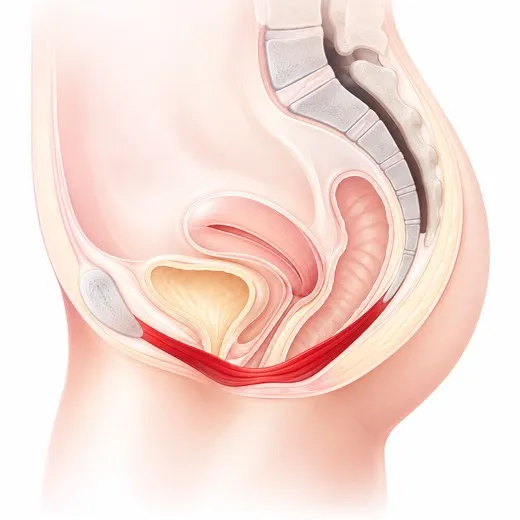
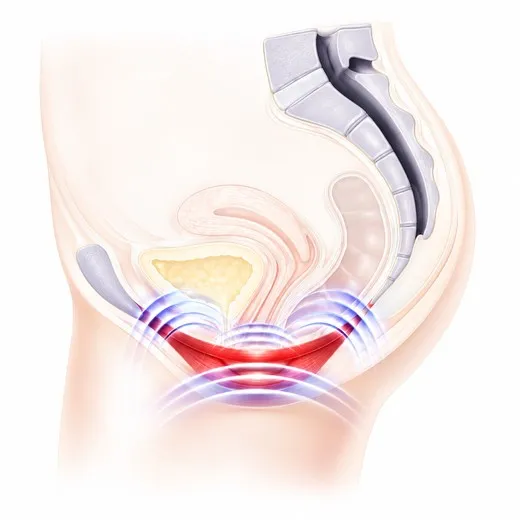
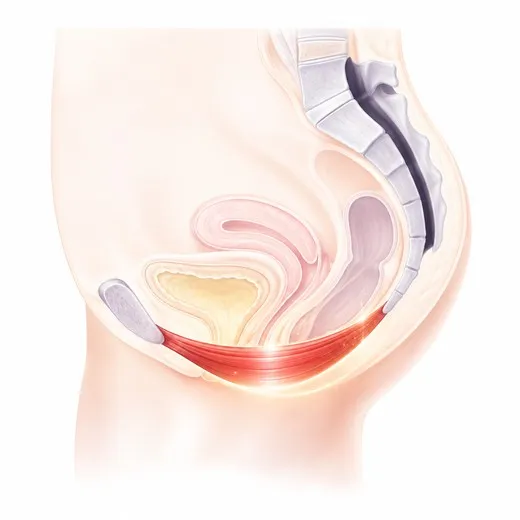
  1. BeforeWeakened pelvic-floor muscles after childbirth, with age or after menopause.Illustration: weakened pelvic-floor muscles and sagging organs
  2. TreatmentThe stimulation device helps strengthen the pelvic-floor muscles and supports the pelvic organs.Illustration: magnetic stimulation of the pelvic-floor muscles
  3. AfterIt may help improve bladder control and reduce symptoms.Illustration: the pelvic-floor muscles after treatment
  • The procedure is done while you stay fully clothed
  • Quick procedure
  • 75%Reduces the use of sanitary pads
  • Non-surgical
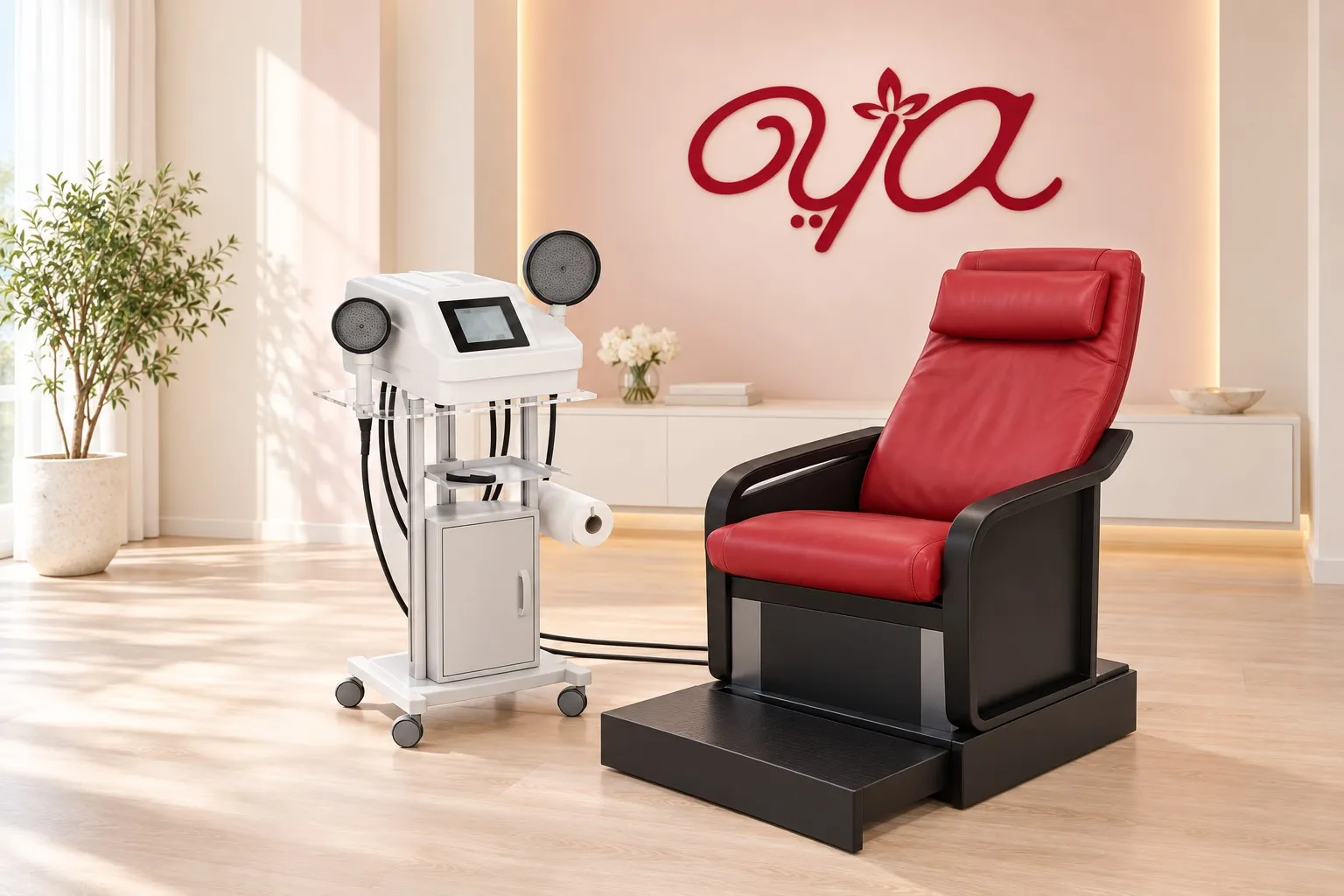
The Tesla pelvic-floor treatment chair in the physiotherapy room at Aya Specialist Hospital
Tesla chair: pelvic-floor strengthening without surgery
What will I feel?
A light tingling and contractions of the pelvic-floor muscles. It is not painful.
How long, and how many sessions?
20 to 30 minutes. Usually 6 or more sessions, two to three a week.
When will I see results?
Improvement usually starts from the third session.
PDFGuide to treating urinary incontinence and vaginal prolapse at Aya Specialist Hospital, Jeddah
Your guide

Your guide to treating urinary incontinence and vaginal prolapse

Learn how the treatment works, what to expect in a session, how many sessions you may need and the key advice, in the Aya Specialist Hospital leaflet.

File size: 163 KB | ArabicResponse differs from person to person; your doctor sets the right plan after an assessment.

Physiotherapy for mothers

With you before pregnancy, and long after birth

Care continues after the mother leaves the hospital, in the physiotherapy clinic, until she has her strength and well-being back.

A pregnant woman doing a gentle side stretch
01

Before and early pregnancy

  • Education on the body’s changes in pregnancy
  • Exercises for fitness and pelvic flexibility
  • Strengthening the pelvic floor and trunk
  • Breathing and pushing techniques
A woman near full term on a birthing ball practising breathing with her physiotherapist
02

From labour to the first hello

  • Movement in labour and opening the pelvis
  • Positions that ease pain and help the baby descend
  • Breathing and pushing during birth
A mother seated upright practising a breathing and control exercise with a small ball, guided by her physiotherapist
03

After birth

  • Assessing and rehabilitating the abdominal muscles
  • Treating back, shoulder and pelvic-floor pain
  • Breastfeeding follow-up and positioning

Birth is the start of a new stage, and a mother deserves care in it just as she did before.

Download the mother’s-journey leaflet (PDF)

Our specialists

Clinic team

Choose your doctor, read their profile and book directly.

Before your visit

What to bring on the day

  • Arrive 15 minutes before your appointment
  • National ID or Iqama, and your insurance card
  • Previous reports and tests
  • Your current medication list

The Aya app

Your visit, on your phone

On the day, the app guides you step by step from reception to leaving, and keeps your reports and appointments in one place.

About the app

Book your visit

Pick what suits you and we’ll send your request to the booking team on WhatsApp.

Reason for the visit
Type of visit
Best time

WhatsApp opens with a ready message to our booking team, who will call you to confirm. Nothing is stored on this website.

In an emergency, come straight to Aya’s emergency department — open 24/7.